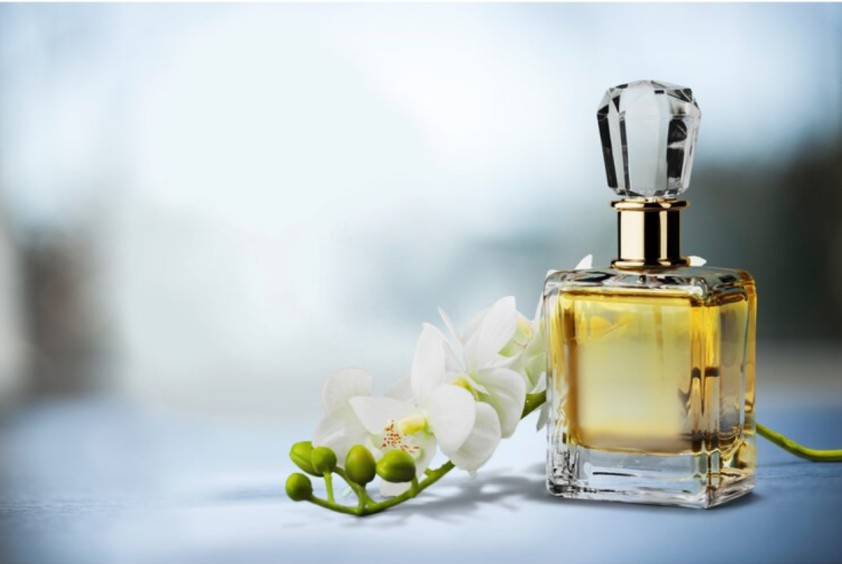
In the Arab world, hospitality is not merely a social courtesy it is a deeply rooted cultural value that reflects honor, generosity, and respect. Among the many symbols of this tradition, perfume holds a special place. From the burning of fragrant oud to the delicate application of attar on guests’ hands, scent has long been intertwined with the rituals of welcoming and honoring visitors. The relationship between perfume and Arab hospitality is ancient, meaningful, and still vibrantly alive today.
The Cultural Meaning of Hospitality in Arab Society
Hospitality, or « diyafa », is a cornerstone of Arab culture. Historically, in desert environments where survival often depended on the kindness of strangers, welcoming guests became a sacred duty. Visitors were offered food, shelter, protection, and comfort without question. This tradition evolved into a refined social art, where every detail from the presentation of coffee to the atmosphere of the gathering reflects the host’s generosity.
Perfume became a natural extension of this philosophy. A pleasant fragrance does more than delight the senses; it creates an environment of warmth and refinement. In Arab homes, scent signals preparation, care, and honor for the guest.
The Historical Roots of Arabian Perfumery
The Middle East has been a global center of perfumery for thousands of years. Ancient trade routes carried precious ingredients such as frankincense and myrrh from the Arabian Peninsula to Europe, Africa, and Asia. These materials were used not only in religious ceremonies but also in daily life.
Arab chemists and scholars during the Islamic Golden Age made significant contributions to the art of distillation and perfume-making. They perfected techniques for extracting essential oils from flowers, woods, and resins. This scientific innovation helped establish the region as a leader in fine fragrance.
Unlike many Western perfumes that emphasize light, fresh notes, traditional Arabian perfumes are often rich, deep, and long-lasting. Ingredients such as oud (agarwood), amber, musk, rose, and saffron are commonly used, creating bold and luxurious scents that reflect the region’s character.
Oud: The Scent of Prestige and Welcome
No discussion of Arab hospitality would be complete without mentioning oud. Derived from the resinous heartwood of the agarwood tree, oud is one of the most precious and expensive fragrance materials in the world. Its scent is complex woody, smoky, slightly sweet, and deeply captivating.
When guests arrive at a traditional Arab home, it is common for the host to burn oud chips in a special incense burner known as a mabkhara. The fragrant smoke gently fills the room, enveloping everyone in warmth and sophistication. Guests may even pass their clothes through the smoke to perfume their garments.
This ritual is more than aesthetic. It symbolizes purification, respect, and the desire to offer the very best to those who enter the home.
The Ritual of Applying Perfume to Guests
In many Arab gatherings, perfume is presented to guests at the end of the visit. The host may offer a bottle of concentrated oil, known as attar, allowing visitors to apply a drop to their wrists or behind their ears. Sometimes, a fine mist of fragrance is sprayed onto guests as a final gesture of appreciation.
This custom reflects the idea that hospitality extends beyond food and conversation. It leaves guests with a lasting sensory memory of the encounter. The scent becomes associated with warmth, generosity, and meaningful connection.
Perfume, in this context, is not a luxury it is a language of respect.
Perfume as Identity and Expression
In Arab culture, fragrance is closely tied to personal identity. Both men and women take pride in selecting perfumes that reflect their character and social presence. Strong, distinctive scents are often favored, as they project confidence and elegance.
For men in particular, fragrance is an essential element of grooming. Choosing the best perfume for men is not simply about fashion; it is about expressing dignity, refinement, and cultural heritage. Woody, spicy, and musky notes are especially popular, as they align with traditional Arabian preferences.
Layering fragrances is also common. A person might begin with scented body oil, follow with a spray perfume, and finish with oud incense for clothing. This layering technique ensures depth and longevity, creating a signature scent that lasts throughout the day.
Perfume in Religious and Spiritual Contexts
Fragrance also carries spiritual significance in Islamic tradition. The Prophet Muhammad (peace be upon him) is known to have loved perfume, and cleanliness and pleasant scent are encouraged in religious practices. Applying fragrance before attending communal prayers, especially on Fridays and during festive occasions, is considered commendable.
This spiritual dimension strengthens the connection between perfume and hospitality. When a host ensures that the home and guests are surrounded by pleasant scents, it reflects both cultural refinement and spiritual awareness.
Modern Evolution of an Ancient Tradition
Although times have changed, the link between perfume and Arab hospitality remains strong. Today, luxury perfume houses across the Gulf region continue to craft sophisticated fragrances inspired by traditional ingredients. Modern blends combine oud with vanilla, leather, citrus, or floral notes, appealing to contemporary tastes while honoring heritage.
In upscale gatherings, weddings, and celebrations, professional fragrance services may even circulate through the event, offering guests premium scents. Perfume gift sets are also commonly exchanged during holidays such as Eid, reinforcing the association between fragrance and generosity.
Global interest in Arabian perfumery has grown significantly in recent years. International brands now incorporate oud and amber into their collections, inspired by Middle Eastern traditions. Yet for Arabs, these scents are more than trends they are living symbols of identity and hospitality.
The Sensory Memory of Welcome
One of the most powerful aspects of scent is its ability to evoke memory. A particular fragrance can instantly transport someone back to a moment, a place, or a person. In Arab culture, this sensory power is intentionally woven into social rituals.
When guests leave a home carrying the subtle trace of oud or rose on their clothes, they carry more than a fragrance. They carry the memory of warmth, conversation, laughter, and shared meals. Perfume becomes a silent reminder of connection.
Perfume and Arab hospitality are inseparable threads in a rich cultural tapestry. From ancient trade routes to modern luxury boutiques, fragrance has played a central role in expressing generosity, dignity, and respect. The burning of oud, the offering of attar, and the careful selection of personal scent all reflect a civilization that values sensory beauty and human connection.
In a world that often moves too quickly, the Arab tradition of welcoming guests with fragrance reminds us of something timeless: true hospitality engages all the senses. It is seen in the preparation of the home, tasted in the food, heard in kind words and felt in the lingering embrace of a beautiful perfume.