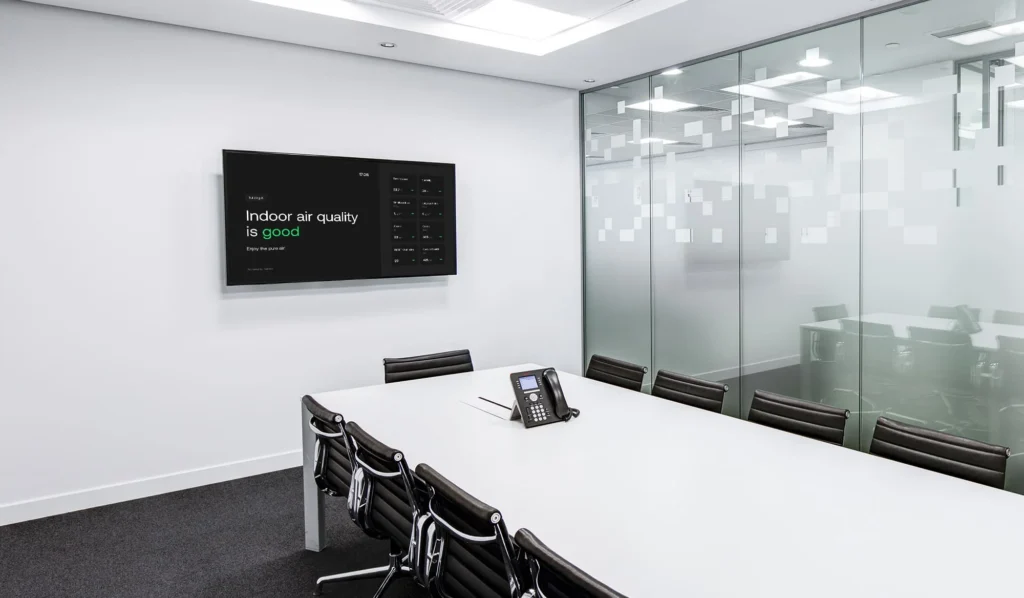
Poor indoor air quality is an often-overlooked business risk. Staff spend long hours inside offices, warehouses, schools, and commercial buildings, and the air they breathe has a direct impact on health, focus, and productivity. When air quality is poor, performance usually follows.
Regular air quality assessments give organisations clear insight into what’s circulating through their buildings. They help identify hidden issues early and support informed decisions around maintenance, cleaning, and compliance. Keep on reading to understand why this proactive approach makes commercial sense.
Why Indoor Air Quality Matters for Workplaces
Air quality affects how people feel and function throughout the working day. Pollutants such as dust, mould spores, volatile organic compounds, and poor ventilation can trigger headaches, fatigue, and respiratory irritation. Over time, this can contribute to increased sickness absence.
From a business perspective, healthier air supports more consistent performance. When staff are comfortable and alert, they can focus better and make fewer mistakes. Employers also benefit from demonstrating a duty of care, which plays an important role in staff retention and workplace culture.
Specialists like ICE Cleaning can support businesses following an assessment by addressing the underlying causes, whether that involves ventilation cleaning, mould remediation, or targeted deep cleaning. The result is a more controlled and measurable improvement in indoor environments.
Compliance, Risk Management, and Legal Responsibility
Employers have a responsibility to provide a safe working environment. While air quality assessments aren’t always legally mandated, they strongly support compliance with health and safety expectations and building regulations. They also provide documented evidence that risks are being actively managed.
If issues such as mould or poor ventilation are ignored, they can escalate into formal complaints or enforcement action. Regular assessments reduce this exposure and allow problems to be addressed before they disrupt operations or lead to costly remedial work.
The Financial Case for Regular Assessments
Although air quality assessments involve upfront costs, they often reduce overall expenditure. Early identification of issues prevents minor problems from becoming major repairs. It also limits downtime caused by staff illness or emergency building closures.
Businesses that invest in assessments tend to see clearer planning and fewer surprises. Predictable maintenance budgets are easier to manage than unexpected remedial work, especially in large or multi-site operations.
Business Benefits of Routine Air Quality Assessments
Air quality is increasingly linked to corporate responsibility. Clients, tenants, and regulators expect businesses to manage their environments properly. Regular assessments show a commitment to safe, well-run premises.
For landlords and facilities managers, this transparency can strengthen relationships with occupiers. It also supports smoother handovers, audits, and inspections, reducing friction across the property lifecycle. Businesses who take air quality seriously will benefit from:
- Reduced staff sickness and improved wellbeing
- Lower risk of compliance breaches and disputes
- Clearer maintenance planning and budgeting
- Improved productivity and workplace comfort
These outcomes contribute directly to operational stability and long-term cost control.
The Big Picture
Regular air quality assessments help businesses move from reactive fixes to informed planning. They support healthier workplaces, protect against avoidable risks, and make financial sense over time. By understanding what’s in the air, organisations can make better decisions for their people and their buildings.