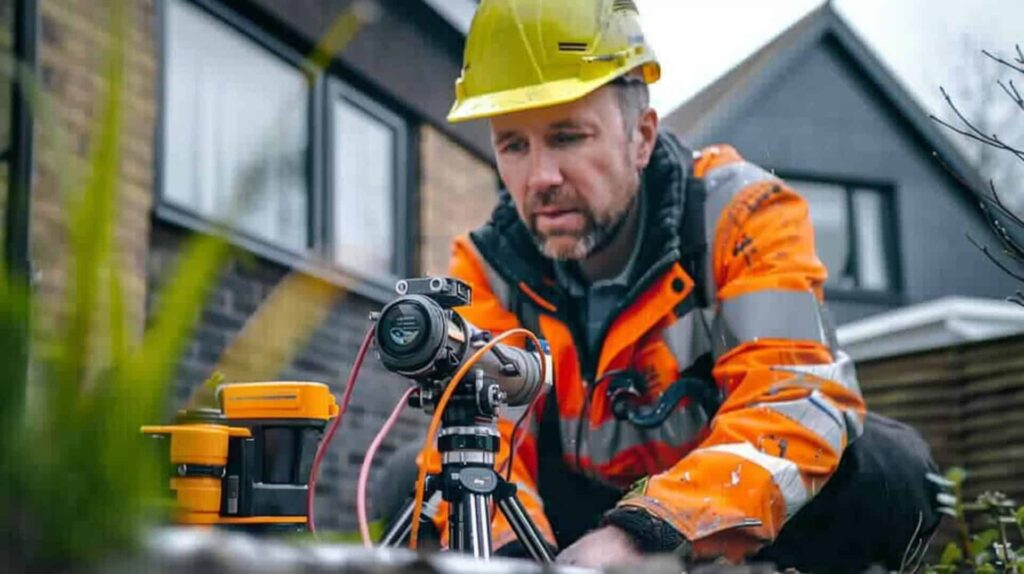
Starting a large-scale renovation project is an exciting venture, but it often comes with hidden complexities beneath the ground. For builders and property owners alike, understanding the layout of existing pipework is essential to avoid structural mishaps. If you don’t account for what’s under the foundations, a simple extension could quickly turn into a logistical nightmare.
A survey provides a clear blueprint of the drainage system, identifying the location, depth, and condition of every pipe. This data is vital during the planning phase to ensure that new structures don’t interfere with essential utilities. By identifying potential issues early, you can make informed decisions that save time and prevent unnecessary stress.
A Drain Mapping Survey Prevents Accidental Damage
One of the biggest risks during construction is striking a buried pipe. Without an accurate map, excavators are essentially working blind, which can lead to burst sewage pipes or collapsed drains. Such accidents are incredibly expensive to repair and can bring an entire building site to a standstill.
By conducting a drain mapping survey, builders can see exactly where the infrastructure lies before they start digging. This proactive approach ensures that heavy machinery stays clear of vulnerable areas. It’s a simple step that protects the integrity of the local sewage network and keeps your project on track.
Ensuring Legal and Regulatory Compliance
In the UK, strict regulations govern how and where you can build, especially if your work is near public sewers. Water authorities often require a Build Over Agreement before you can start work near their assets. If you don’t have an accurate map of the site, you won’t be able to provide the evidence needed to secure these permissions.
Furthermore, building regulations (specifically Part H) require adequate drainage and waste disposal for any new development. A survey helps you prove that your plans meet these legal standards. It also ensures that you aren’t accidentally building over a shared manhole, which must remain accessible for future maintenance.
Optimising Project Design and Budget
When a builder understands the drainage layout, they can design the renovation more efficiently. For instance, knowing the exact depth of a sewer allows you to plan the correct gradient for new bathrooms or kitchens. This prevents future drainage issues like recurring blockages or slow-flowing water that might plague the property later.
- Accurate Costing: Knowing the pipe locations prevents hidden surprises that often lead to budget overruns.
- Time Management: Mapping avoids the delays caused by emergency repairs or redesigning plans mid-construction.
- Structural Safety: It ensures that the weight of new foundations won’t crush existing earthenware or PVC pipes.
Identifying Pre-existing Defects
It’s not uncommon for older properties to have underlying issues like root ingress, cracked joints, or partial collapses. If these aren’t fixed before you build over them, they’ll be much harder and more expensive to reach once the new floor is laid. A CCTV survey as part of the mapping process highlights these problems immediately.
Fixing these faults early ensures the long-term health of the building. It’s far better to reline a pipe now than to have to dig up a brand-new kitchen floor in six months. Dealing with these specialist cleaning and repair tasks beforehand offers peace of mind to the homeowner and the contractor.
To Wrap Up
Investing in professional mapping is a hallmark of a responsible builder. It moves the project from guesswork to precision, ensuring that every pipe and junction is accounted for. By prioritising this survey, you protect the property, stay within the law, and ensure the renovation’s longevity. Taking this step today avoids the out of sight, out of mind trap that leads to future disasters.