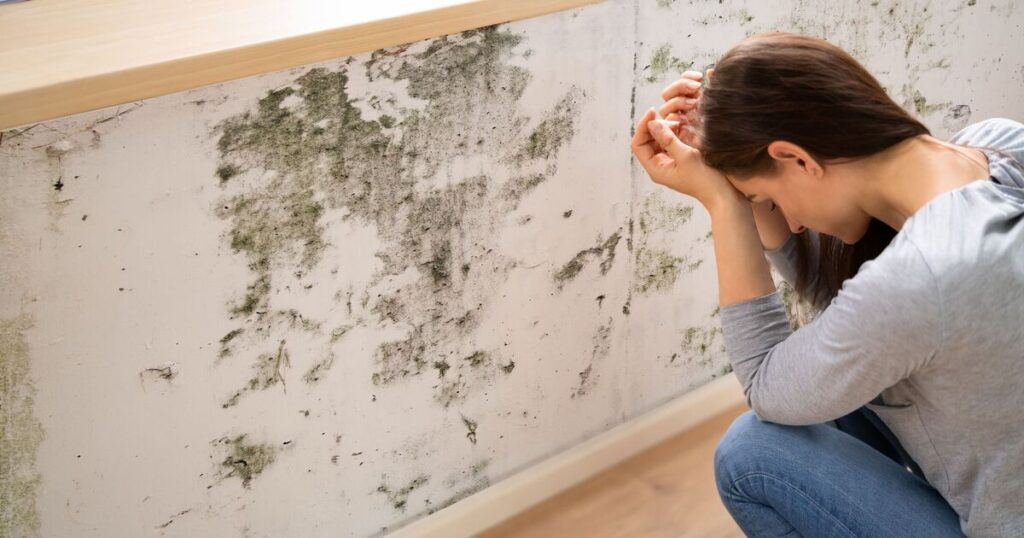
Mould often starts quietly, spreading in areas that stay damp, poorly ventilated, or hidden from view. Many people only notice it once stains appear or musty smells linger. Knowing where mould usually forms and how professionals deal with it helps property owners take quicker, safer action. Read along to learn where mould hides most often and how specialists tackle it properly.
Bathrooms and Shower Areas
Bathrooms are one of the most common mould hotspots. Steam from showers, limited airflow, and wet surfaces create the perfect conditions for growth. Mould often appears around:
- Shower seals
- Tiles
- Ceilings
- Window frames
However, just wiping them away isn’t enough. That’s why experts identify moisture sources, improve ventilation, and apply treatments designed to kill spores at the root. In many cases, sealants or damaged surfaces need replacing to stop mould from returning.
Kitchens and Utility Rooms
Kitchens and utility spaces deal with frequent temperature changes, cooking steam, and hidden leaks from appliances. Mould tends to develop behind cupboards, under sinks, and around washing machines.
Professional treatment by experts like ICE Cleaning focuses on locating trapped moisture and drying the area thoroughly before applying specialist cleaning solutions. Without drying and airflow improvements, surface cleaning alone might not be enough to prevent repeat issues.
Bedrooms With Poor Ventilation
Bedrooms, especially in older homes, may suffer from mould due to condensation. This often forms on external walls, behind wardrobes, or near windows where warm air meets cold surfaces.
Experts assess airflow and humidity levels before treatment. Alongside mould removal, they may recommend changes such as better ventilation or insulation improvements to reduce condensation risks, which are common during colder months.
Living Rooms and External Walls
Living rooms might not seem like a high-risk area, yet mould frequently develops on cold external walls. Poor insulation and blocked airflow behind furniture often make the problem worse.
Specialists treat affected surfaces while also addressing environmental factors. This might include improving air circulation and identifying insulation gaps that allow cold bridging, a common cause of condensation-related mould.
Basements and Cellars
Basements and cellars are particularly vulnerable due to limited natural ventilation and higher ground moisture levels. Mould often grows on walls, stored items, and timber supports.
Professional treatment usually involves a combination of deep cleaning, moisture control, and long-term prevention measures. Without addressing damp ingress, mould may return even after thorough cleaning.
Why Professional Treatment Matters
Mould spreads through tiny spores that may affect indoor air quality. Prolonged exposure might be linked to respiratory irritation, especially in damp homes. Because of this, professionals follow strict safety steps to reduce airborne spores during treatment.
Specialist providers use controlled methods that focus on removal, drying, and prevention rather than quick cosmetic fixes. Their methods help reduce the risk of regrowth while keeping occupants safe during the process.
To Sum Up
Mould rarely appears without a reason. Treating it properly means understanding where it forms and why it keeps returning. While small patches may seem manageable, ongoing or widespread mould often needs professional input to protect both the building and the people inside.
If mould keeps reappearing or affects hidden areas, it’s worth seeking expert advice. Always consult a qualified professional before attempting extensive mould treatment.