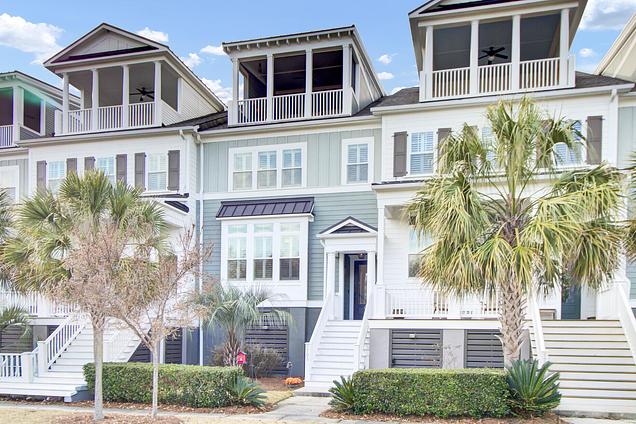
Owning a second home in the UK is a dream for many, providing a personal retreat or a steady stream of rental income. However, whether your property is a coastal cottage in Cornwall or a city flat in Manchester, it comes with a unique set of responsibilities. Unlike your primary residence, a second home often sits empty for extended periods, which makes it more vulnerable to risks like burst pipes, theft, or storm damage. Taking a proactive approach to security and maintenance will save you significant stress and financial loss in the long run.
Understanding how to manage these risks effectively is the first step toward enjoying your investment without constant worry. Please read our full guide to discover the essential steps you can take to keep your property safe and compliant with policy requirements.
Secure Your Property During Empty Periods
Physical security is the most effective deterrent against intruders. You should ensure that all windows and doors have high-quality locks that meet British Standards, as this is often a requirement for many insurance providers. If your property is tucked away in a rural area, consider installing motion-sensor lighting around the perimeter to discourage thieves and vandals. Smart security cameras are also a fantastic investment because they allow you to monitor the premises from your smartphone, no matter where you are in the world.
Internal maintenance is just as important as external security. During the winter months, you should consider leaving the heating on a low frost-protection setting or draining the water system entirely to prevent pipes from freezing. A small leak can cause catastrophic damage if it’s left undetected for weeks.
You might also want to ask a trusted neighbour to check on the property regularly or hire a local management company to perform weekly inspections.
Understand Your Insurance Requirements
Standard home insurance policies usually won’t cover a property that stays unoccupied for more than 30 or 60 days. This is why you must find a specialist policy that’s designed for the specific way you use the building. It’s vital that you accurately describe how often the home will be empty and how it will be used when you look to insure a second home. That way, you will ensure your claims remain valid and you stay financially protected.
Specialist providers understand that every second home is different. They offer tailored solutions and optional extras that account for the increased risks of unoccupancy while providing the comprehensive protection you need.
Always read the “unoccupancy conditions” in your policy document carefully. These clauses often stipulate that you must turn off the mains water or visit the property at specific intervals for the cover to remain in force.
Effective Maintenance and Risk Management
Regular maintenance prevents minor issues from turning into expensive insurance claims. You should inspect the roof for loose tiles after every major storm and keep gutters clear of debris to avoid dampness in the walls. If your second home has a garden, keeping it tidy will also give the impression that the house is occupied, which helps to deter opportunistic burglars.
- Check all smoke and carbon monoxide detectors every time you visit.
- Ensure the chimney is swept annually if you have a wood-burning stove.
- Trim back overhanging tree branches that could fall during high winds.
- Seal any gaps in the exterior woodwork to prevent rot and pest infestations.
Protect Your Investment for the Future
Technology can be a great ally in protecting your second home. Smart leak detectors can send an alert to your phone the moment they sense moisture, allowing you to call a plumber before the floorboards are ruined. Similarly, smart plugs can be used to turn lamps on and off at different times of the evening, which creates the illusion that someone is at home. These small investments can significantly reduce the likelihood of a claim and might even help keep your premiums low.
It’s also worth keeping a detailed inventory of the contents within the home. Take photos of expensive furniture, electronics, and appliances so that you have evidence in the event of a fire or theft. You should update this list annually and store a digital copy in the cloud so it’s accessible from any location. Taking these practical steps will give you the peace of mind that your “home away from home” is always well-protected.
Final Thoughts
Owning a second property is a rewarding experience, but it requires a different mindset than managing your main home. By combining robust physical security with a specialist insurance policy, you can mitigate the most common risks associated with unoccupancy.
Regular maintenance and the use of modern smart technology will further safeguard your investment. When you take the time to prepare for the unexpected, you can truly relax and enjoy your second home whenever you get the chance to visit.