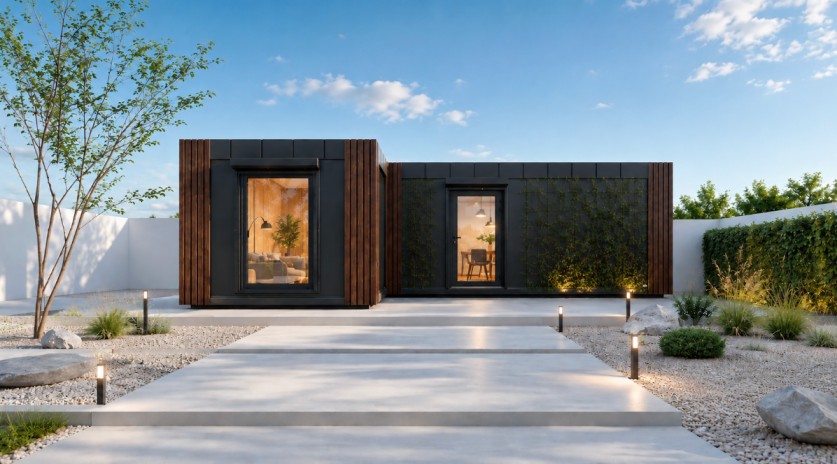
In recent years, container homes have transformed from a niche housing concept into a practical and affordable living solution across Britain. As property prices continue to rise and the cost of traditional construction remains high, many people are searching for alternative ways to own a home without taking on overwhelming debt. This shift has contributed to the growing popularity of budget-friendly modular containers homes throughout the UK.
Originally designed for transporting goods across the globe, shipping containers are now being repurposed into stylish, functional, and environmentally friendly homes. What was once considered an unconventional housing option has evolved into a modern lifestyle choice embraced by first-time buyers, young professionals, retirees, and even property investors.
Why Container Homes Are Gaining Popularity
One of the primary reasons behind the rise of container homes is affordability. Traditional houses often require significant financial investment, including land costs, construction expenses, and long-term mortgage commitments. In contrast, container homes can be built at a fraction of the cost.
Many container home projects begin with a single shipping container, allowing homeowners to create a compact yet comfortable living space. Others combine multiple containers to build larger homes with multiple bedrooms, open-plan living areas, and modern amenities. This flexibility makes container housing accessible to a wide range of budgets.
Additionally, the construction process is generally faster than conventional building methods. Since the main structure already exists, builders can focus on insulation, interior design, utilities, and finishing touches rather than starting from scratch.
Sustainability and Environmental Benefits
Environmental awareness is another factor driving the popularity of container homes in Britain. Every year, thousands of shipping containers become unused or abandoned after years of service in international trade. Repurposing these containers reduces waste and gives them a second life.
Container homes often require fewer raw materials than traditional buildings, helping to reduce the environmental impact associated with construction. Many homeowners also incorporate eco-friendly features such as solar panels, rainwater harvesting systems, energy-efficient windows, and sustainable insulation materials.
As the UK continues to focus on reducing carbon emissions and promoting sustainable development, container housing aligns well with modern environmental goals.
Modern Design Meets Practical Living
A common misconception is that container homes are cramped, unattractive, or uncomfortable. However, modern container homes have proven that affordability does not mean sacrificing style.
Architects and designers are creating innovative layouts that maximize space and natural light. Large glass doors, rooftop terraces, contemporary kitchens, and minimalist interiors are now common features in many container home projects. With thoughtful planning, container homes can offer the same level of comfort as traditional properties while maintaining a unique architectural appeal.
The industrial aesthetic of shipping containers has also become fashionable, particularly among younger homeowners who appreciate modern, minimalist design trends.
A Solution to Britain’s Housing Challenges
Britain has faced ongoing housing shortages and affordability concerns for years. Rising property values and limited housing supply have made homeownership increasingly difficult for many people, especially first-time buyers.
Container homes provide an alternative solution by offering lower construction costs and shorter development timelines. Some local councils and private developers are exploring container-based housing projects to provide affordable accommodation in urban areas where space is limited.
In certain regions, container homes are also being used as temporary housing, student accommodation, and community development projects. Their adaptability allows them to meet various housing needs while keeping costs under control.
Challenges and Considerations
Despite their advantages, container homes are not without challenges. Planning permissions, building regulations, and land acquisition requirements must still be addressed before construction begins.
Proper insulation is particularly important in the British climate. Shipping containers are made of steel, which can become extremely cold during winter and hot during summer if not adequately insulated. High-quality insulation and ventilation systems are essential for maintaining comfort throughout the year.
Additionally, transportation and site preparation costs can vary depending on the location. While container homes are generally more affordable than traditional houses, careful budgeting is still necessary to avoid unexpected expenses.
The Future of Container Living in Britain
As housing affordability remains a major concern, the demand for alternative housing solutions is expected to grow. Container homes are likely to play an increasingly important role in the future of British housing, offering a balance of affordability, sustainability, and modern design.
Advancements in construction technology and growing public acceptance are making container homes more attractive than ever before. What began as an innovative experiment has become a realistic housing option for thousands of people seeking an affordable path to homeownership.
For many Britons, container homes represent more than just a place to live. They symbolize a new approach to housing—one that prioritizes practicality, creativity, and financial freedom. As the movement continues to expand, container homes are proving that modern living does not have to come with an expensive price tag.
Conclusion
The rise of budget-friendly container homes across Britain reflects changing attitudes toward housing and homeownership. By combining affordability, sustainability, and contemporary design, these innovative structures offer a compelling alternative to traditional homes. As more people seek cost-effective and environmentally responsible living solutions, container homes are set to become an increasingly visible part of Britain’s housing landscape.