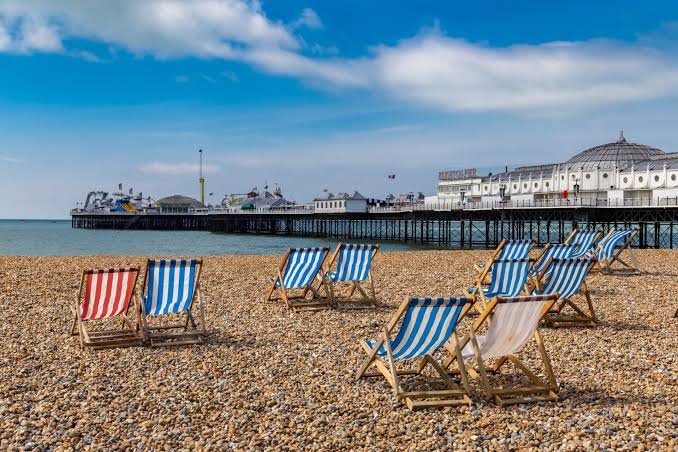
Hove and Brighton sit within the same city, but they offer different living environments, property types and daily routines. Buyers and renters need to consider more than distance from the seafront when deciding which area suits their budget and lifestyle.
Hove vs Brighton: The Main Difference
Brighton generally offers a more energetic urban environment, with a busy city centre, independent shops, restaurants, nightlife and strong demand from students and young professionals. It includes a wide range of property types, from period flats and converted houses to modern apartments.
Hove tends to have a more residential character, particularly around Brunswick, central Hove, Hove Park and the streets north of the seafront. It still offers cafés, shops and restaurants, but many roads have a quieter atmosphere.
The distinction is not absolute. Brighton contains peaceful residential neighbourhoods, while parts of Hove have a lively feel. The best choice depends on the specific street, property and proximity to local facilities.
Property Types and Budget Considerations
Both areas contain period homes, purpose-built flats, converted apartments and family houses. However, the type of property available can change considerably between neighbourhoods.
Brighton buyers may encounter more period conversions, compact flats and properties close to the city centre. These can appeal to first-time buyers, investors and renters who prioritise access to amenities.
Hove has a mixture of period apartments, mansion blocks, terraces and larger family homes. Areas such as West Hove, Hove Park and parts of Aldrington may appeal to households seeking more space and a residential setting.
Buyers should assess the full cost of ownership rather than comparing asking prices alone. For flats, this includes service charges, ground rent where applicable, lease length, planned major works and building insurance arrangements.
Renters should compare the total monthly cost, including utilities, council tax, parking and commuting expenses. A cheaper property may not provide better value if it creates higher travel costs or requires extensive furnishing.
Transport and Daily Commuting
Transport connections can influence both property demand and rental decisions across Brighton and Hove.
Brighton station provides rail services towards London and other destinations, while Hove, Aldrington and Portslade stations serve different parts of the wider area. The most suitable station will depend on the property’s exact location and the destination of the journey.
Brighton may suit people who want to walk to the city centre, station, seafront or entertainment venues. Hove can be attractive to commuters who prefer a residential setting while remaining within reach of Brighton’s central facilities.
Local bus routes also connect neighbourhoods across the city. However, journey times can vary during busy periods, so buyers and renters should test their intended route at the times they expect to travel.
Before making a decision, consider:
- Walking distance to the nearest station or bus stop.
- Frequency of services during commuting hours.
- Travel costs and potential delays.
- Access to parking or secure cycle storage.
- The distance between home, work, schools and everyday amenities.
Which Area Suits Families?
Families should assess individual neighbourhoods rather than choosing between Brighton and Hove as broad locations.
Hove may appeal to households looking for quieter residential streets, larger properties and access to parks and local schools. Hove Park, West Hove and parts of Aldrington offer different property styles and surroundings, so viewing several streets is important.
Brighton also includes family-friendly areas, including Preston, Patcham, Withdean and parts of Hanover. The suitability of each neighbourhood depends on housing layout, outdoor space, school access, traffic levels and local facilities.
School catchment areas should be checked directly with the relevant local authority. Catchments can change, and living close to a school does not automatically guarantee admission.
Families should also consider:
- The size and layout of the property.
- Outdoor space and nearby parks.
- Walking routes and road safety.
- School admissions and transport.
- Access to shops, healthcare and childcare.
Renting in Hove or Brighton
Renters should identify their priorities before choosing an area. Brighton may suit tenants who value nightlife, cultural activities, independent businesses and easy access to the city centre.
Hove may be more suitable for renters who prefer a quieter environment, seafront walks and a more residential setting. Central Hove still offers convenient access to shops, restaurants and transport.
Rental availability can vary significantly by property type and time of year. Students may face different competition patterns from professional tenants and families, particularly around the academic calendar.
Tenants should inspect the property carefully before signing an agreement. Check heating, insulation, storage, broadband availability, noise levels and the condition of communal areas. For flats, ask about building access, lift maintenance and any restrictions affecting daily use.
Understanding the local market with support from Hove estate agents can help buyers and renters compare suitable properties and assess their options.
Making the Right Choice for Your Circumstances
There is no single answer for every buyer or renter. The right location depends on the balance between budget, property type, commute and lifestyle.
Brighton may be a practical choice for those who want quick access to the city centre and a wide range of entertainment and cultural facilities. Hove may suit people who prefer a more residential environment without moving far from Brighton’s amenities.
It is worth comparing properties across both areas rather than restricting the search to one postcode. A property in a quieter part of Brighton may offer a similar experience to one in Hove, while a central Hove apartment may provide a livelier environment than expected.
Before making an offer or submitting a rental application, visit the area at different times of day. This can reveal traffic, noise, parking pressure and the overall atmosphere more clearly than a single daytime viewing.
Frequently Asked Questions
Is Hove more expensive than Brighton?
Prices vary significantly according to property type, condition, size and exact location. Some parts of Hove contain high-value period properties and larger family homes, while Brighton also includes premium neighbourhoods and expensive seafront properties. Buyers should compare similar properties rather than relying on a broad Hove-versus-Brighton price assumption.
Is Brighton better for young professionals?
Brighton may appeal to young professionals who prioritise access to restaurants, nightlife, independent businesses and central transport connections. However, parts of Hove also offer convenient commuting and a strong selection of cafés, shops and social venues. The best choice depends on the preferred lifestyle, budget and distance from work.
Is Hove suitable for families?
Hove includes residential neighbourhoods with family houses, parks, schools and local amenities. Its suitability depends on the specific area and property. Families should investigate school admissions, outdoor space, road safety, transport and access to childcare before making a decision.
Which area is better for commuting to London?
Both Brighton and Hove have access to rail services towards London, but the most convenient option depends on the property’s distance from the station and the final destination. Buyers should check actual journey times, service frequency, season ticket costs and potential changes before choosing a home based on commuting requirements.
Should renters choose Brighton or Hove?
Renters should compare monthly rent, property condition, transport costs, local amenities and the surrounding environment. Brighton may suit tenants who want a central and active lifestyle, while Hove may appeal to those seeking a more residential setting. Viewing properties in both areas can help renters make a practical comparison.