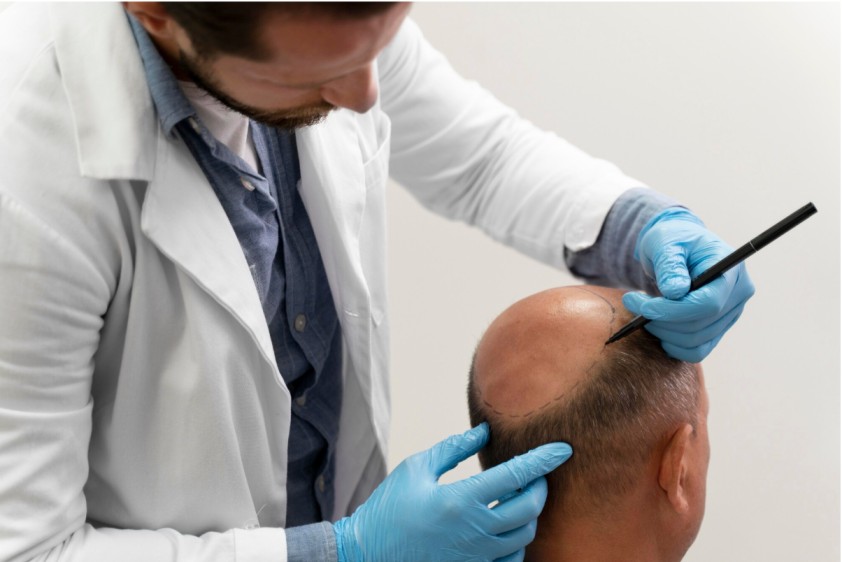
Choosing to undergo a follicular unit extraction (FUE) hair transplant is a significant decision that requires a balance of medical research and aesthetic judgment. London remains a global hub for hair restoration, offering access to some of the most advanced surgical techniques available. However, because the industry is vast, it is essential to look beyond marketing and focus on the clinical standards that define a professional service.
Whether you are looking for a FUE hair transplant in London or considering complementary aesthetic treatments like dermal fillers in London, verifying the credentials of your provider is the most important step in ensuring a safe and successful outcome.
Essential Medical Credentials and Regulations
In the United Kingdom, hair transplantation is classified as a surgical procedure. This means that both the clinic and the individual surgeon must adhere to strict regulatory frameworks designed to protect patient safety.
Verifying CQC and GMC Registration
The first step in your research should be to confirm that the clinic is registered with the Care Quality Commission (CQC). The CQC is the independent regulator of health and social care in England. Any facility performing hair transplant surgery must, by law, be registered and regularly inspected by this body. You can easily check a clinic’s rating and latest inspection report on the CQC website.
Equally important is the status of the surgeon. Every doctor in the UK must be registered with the General Medical Council (GMC) and hold a current licence to practise. A professional surgeon will always be happy to provide their GMC number, which you can verify through the online medical register.
Professional Affiliations and Specialisations
While GMC registration is a baseline, the best hair restoration specialists often hold memberships in dedicated professional organisations. Look for surgeons who are members of the British Association of Hair Restoration Surgery (BAHRS) or the International Society of Hair Restoration Surgery (ISHRS). These affiliations indicate that the practitioner is committed to staying updated on the latest FUE techniques and follows a strict ethical code of conduct.
Evaluating the FUE Technique and Technology
FUE is a meticulous process where individual follicles are extracted from a donor area and transplanted to thinning sections of the scalp. The quality of the result depends heavily on the tools used and the surgeon’s precision.
Manual vs. Robotic Extraction
During your consultation, ask the specialist about the specific equipment they use for extraction. Some clinics prefer manual FUE, where the surgeon uses a hand-held punch tool, while others use motorised or robotic assistance.
- Manual FUE: Often praised for the “tactile feel” it gives the surgeon, allowing for greater control over the depth and angle of extraction.
- Motorised FUE: Can be more efficient for larger sessions but requires a highly skilled hand to avoid “transection,” which is when the hair follicle is accidentally damaged during removal.
A professional clinic will explain why they have chosen a particular method for your specific hair type and scalp condition.
The Importance of Artistic Hairline Design
A successful transplant is not just about the number of hairs moved; it is about how they are placed. The surgeon should demonstrate a keen eye for facial symmetry and the natural exit angles of hair. In a professional London clinic, the lead surgeon—not a technician—should be responsible for designing the hairline and creating the “recipient sites” where the hair will be placed. This ensures that the final result looks natural and age-appropriate.
Combining Hair Restoration with Aesthetic Treatments
Many patients who seek a hair transplant are also interested in overall facial rejuvenation. This often leads to a search for reputable providers of dermal fillers in London. While these are non-surgical, they are still medical procedures that require a deep understanding of facial anatomy.
Standards for Injectable Treatments
If you are considering dermal fillers to complement your new look, the same rules of professional verification apply. The UK government is currently moving toward stricter licensing for aesthetic injectables, and it is highly recommended to choose a medically trained professional—such as a doctor, dentist, or nurse prescriber—rather than a non-medic.
- Product Quality: Ask which brand of filler is being used. Reputable clinics use well-researched brands like Juvederm, Restylane, or Teosyal.
- Complication Management: Ensure the practitioner is trained to handle rare but serious side effects, such as vascular occlusion. A professional will always have a “dissolving agent” (Hyaluronidase) on hand.
Safe Clinical Environments
Avoid “filler parties” or practitioners who offer mobile services in non-clinical settings. Whether you are having a hair transplant or a simple injection, the environment must be sterile and equipped with the necessary medical supplies to ensure patient safety.
The Consultation and Aftercare Process
A professional journey does not end when you leave the operating theatre. The quality of a clinic is often reflected in how they handle the months of recovery that follow.
Red Flags During the Consultation
Be wary of any clinic that uses high-pressure sales tactics or offers “limited-time” discounts to force a quick decision. A professional specialist will:
- Take a full medical history and examine your scalp under magnification.
- Discuss non-surgical alternatives, such as medication or PRP therapy.
- Provide a realistic estimate of the results, noting that full growth typically takes 12 to 18 months.
Long-Term Follow-Up Care
The most reputable London clinics provide a structured aftercare programme. This should include scheduled check-ups at the one-month, six-month, and one-year marks. You should also be given a direct point of contact for any questions or concerns during the initial healing phase. Professional aftercare ensures that any minor issues are addressed quickly, protecting your investment and your health.
Making an Informed Choice
London offers a wealth of expertise in the field of hair restoration and aesthetics. By prioritising CQC-registered facilities, GMC-licensed surgeons, and practitioners who value transparency over sales, you can find a professional service that delivers natural-looking and lasting results. Taking the time to do your due diligence today ensures that your FUE hair transplant or aesthetic treatment is a positive, life-enhancing experience.