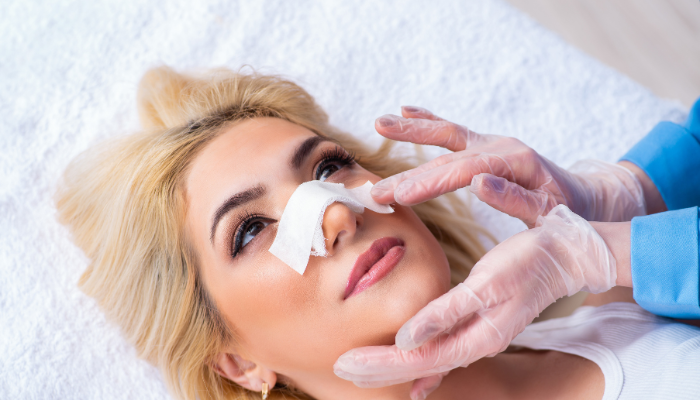
Rhinoplasty, often referred to as a nose job, can change the shape, size or structure of the nose. It may be carried out for cosmetic reasons, functional reasons such as breathing issues, or a combination of both. While many people focus on the final result, the recovery period is just as important.
Every patient’s recovery will be different. The type of surgery performed, the technique used, your general health and your surgeon’s instructions will all affect how you heal. For this reason, you should always follow the advice given by your own surgeon or clinic. General recovery tips can be useful, but they should never replace medical guidance that has been tailored to your procedure.
This guide explains what recovery tips your surgeon will likely provide, understanding when to seek medical advice if you experience complications during recovery, what standards your surgeon is expected to uphold and what evidence you should require should you choose to pursue a rhinoplasty compensation claim.
Why rhinoplasty aftercare matters
Rhinoplasty affects a delicate part of the face. After surgery, the nose may be swollen, tender and more vulnerable to injury. Bruising around the eyes and cheeks is also common, especially in the first week. Although these symptoms can be part of normal healing, poor aftercare may increase the risk of complications or affect the final result.
Good aftercare can help protect the nose while it heals. It may also reduce discomfort, limit unnecessary swelling and help you spot early signs that something is not right. You should be told what to expect after surgery, what is normal and what symptoms should be reported to your surgeon or another medical professional.
Always follow your surgeon’s instructions
The most important recovery tip is to follow your surgeon’s instructions carefully. Your surgeon should understand exactly what was done during your procedure and whether there are any specific risks in your case.
This may include advice on how to care for dressings, when to take medication, how to sleep, when to attend follow-up appointments and what activities to avoid. These instructions should be clear, practical and ideally provided in writing so you can refer back to them during recovery.
If anything is unclear, contact your clinic and ask for clarification. Do not remove splints, tape, stitches or dressings unless you have been told it is safe to do so. You should also avoid trying to adjust the shape of your nose yourself, as this may cause harm or interfere with healing.
Manage swelling and bruising carefully
Swelling and bruising are expected after rhinoplasty. In many cases, bruising is most visible during the first week and then gradually improves. Swelling can take longer to settle, and the final shape of the nose may not be clear for several months.
Your surgeon may advise you to keep your head raised when resting or sleeping. This can help reduce pressure around the nose and may make swelling more manageable. Some patients may also be told to use cold compresses around the cheeks or eyes, but you should only do this if your surgeon confirms it is suitable.
Avoid bending forward where possible, especially in the early stages of recovery. This can increase pressure in the face and may make swelling or discomfort worse.
Eat a balanced diet to support healing
A good diet can support your body while it repairs. You do not need a special recovery diet unless your surgeon or doctor has recommended one, but balanced meals can help you maintain energy and support general healing.
Aim to include protein-rich foods such as eggs, fish, lean meat, beans, lentils, tofu or yoghurt. Protein helps the body repair tissue. Fruit and vegetables can provide vitamins and minerals, while wholegrains and fibre-rich foods may help with digestion, particularly if pain medication causes constipation.
You should also drink enough water and avoid excessive alcohol. Alcohol may increase swelling and can affect how some medications work. If your surgeon gives specific advice about food, drink or supplements, follow that guidance.
Avoid exercise until you are cleared to restart
Rest is important after rhinoplasty. Strenuous exercise can increase blood pressure, worsen swelling and raise the risk of bleeding. Running, gym workouts, heavy lifting and high-impact activity should usually be avoided until your surgeon says it is safe.
Gentle walking may be suitable earlier in recovery, but this depends on your individual situation. When you are allowed to return to exercise, do so gradually. Stop and seek advice if activity causes throbbing, bleeding, increased pain or swelling.
Contact sports should usually be avoided for longer because the nose needs protection from impact. Even a minor knock during recovery can be a problem, so ask your surgeon when it is safe to return to sports or activities where your face could be hit.
Avoid saunas, steam rooms and hot baths
Heat can make swelling worse and may increase discomfort in the early stages of recovery. For this reason, patients are often advised to avoid saunas, steam rooms, hot yoga and very hot baths until healing is further along.
Steam may also irritate the nose, and sweating could affect dressings or healing skin. Your surgeon should tell you when it is safe to return to these activities. Until then, it is sensible to keep your routine gentle and avoid exposing your face to unnecessary heat.
Avoid makeup around the nose
Makeup should usually be avoided around the nose until the skin has healed and your surgeon has confirmed it is safe. Applying makeup can put pressure on the nose, while removing it may involve rubbing or pulling at sensitive skin.
You should not apply makeup over incisions, dressings, irritated skin or areas that are still healing. Once makeup is allowed again, use clean brushes or applicators and avoid heavy products that are difficult to remove. When cleansing your face, be careful not to scrub the nose.
Be careful with glasses
If you wear glasses, ask your surgeon when you can safely use them again. Glasses can place pressure on the bridge of the nose, which may be an issue after certain types of rhinoplasty.
Some patients may be advised to use contact lenses if suitable. Others may be given specific instructions on how to manage glasses during recovery. Do not tape or support glasses in a way that affects your dressings or nose unless your surgeon has advised you to do so.
Avoid smoking and vaping
Smoking can affect blood flow and slow healing. It may also increase the risk of poor wound healing and other complications. If you smoke, your surgeon should advise you on when to stop before surgery and when it may be safe to restart.
Vaping should also be discussed with your surgeon, as it may irritate the airways and may not be suitable during recovery. If stopping is difficult, speak to your GP or pharmacist about support.
Sleep carefully and protect your nose
You may be advised to sleep on your back with your head raised during the early stages of recovery. This can help reduce pressure on the nose and protect it from accidental contact.
Try to avoid sleeping on your front or side if this puts pressure on your face. You should also take care around pets, young children or busy environments where your nose could be accidentally knocked.
Know when to seek medical advice
Some pain, swelling, bruising and congestion can be expected after rhinoplasty. However, you should seek medical advice if symptoms seem severe, unusual or are getting worse.
Warning signs may include:
- Heavy or persistent bleeding
- Worsening pain
- Fever
- Redness
- Heat
- Pus or unusual discharge
- A bad smell from the nose or wound area
- Sudden breathing changes
- Severe one-sided swelling or changes in skin colour around the nose.
Contact your surgeon or clinic if you are concerned. If you cannot reach them, contact your GP or NHS 111. In an emergency, seek urgent medical help.
Aftercare instructions are part of a surgeon’s obligations
A surgeon’s responsibility does not end once the operation is complete. They are expected to provide appropriate aftercare advice, monitor your recovery and respond properly if you report signs of complications.
Before surgery, your surgeon should explain the risks, realistic outcome, alternatives and recovery process. During surgery, the procedure should be carried out to the expected standard. After surgery, they should give clear aftercare instructions and assess your healing during follow-up appointments.
A poor result or complication does not automatically mean negligence has occurred. Some complications can happen even when a surgeon has acted properly. However, if a surgeon fails to provide clear aftercare advice, does not monitor your recovery or ignores signs of complications, and you suffer avoidable harm as a result, you may be able to pursue compensation.
Potential signs that something has gone wrong after rhinoplasty can include ongoing or worsening breathing difficulties, a visible dip or collapse along the bridge of the nose, clear asymmetry, nostril weakness when breathing in, or a nasal tip that appears unexpectedly drooped or excessively upturned. These issues do not prove negligence by themselves, but they may justify further medical assessment and, where appropriate, legal advice.
What to do if you are worried about your recovery
If you are concerned about your recovery, act quickly. Contact your surgeon or clinic and explain your symptoms clearly. Keep photographs of visible changes, save copies of emails and aftercare documents, and write down when symptoms started and how they developed.
These records can help medical professionals understand what has happened. They may also be useful if you later believe your care fell below the expected standard.
Rhinoplasty recovery takes patience. Following your surgeon’s instructions, eating well, avoiding exercise, saunas and makeup, and reporting concerns early can all help support a safer recovery. If aftercare advice was missing, unclear or ignored, and you experienced avoidable harm, it may be possible to consider a compensation claim.