Achieving a sculpted silhouette often requires more than diet and exercise, especially after significant weight fluctuations or pregnancy. Modern cosmetic surgery offers sophisticated solutions for those seeking to restore their body shape. For individuals addressing stubborn excess skin around the midsection and flanks, opting for an extended tummy tuck in London provides a comprehensive way to contour both the abdomen and the hips. This surgical advancement reflects a broader shift towards highly customisable procedures designed to address specific anatomical concerns. Understanding the differences between these modern techniques helps patients make informed decisions about their surgical journeys, ensuring they select the most effective path to achieve their aesthetic goals.
The Evolution of Abdominoplasty
Abdominal contouring has progressed significantly from the basic skin-excision procedures of the past. Early techniques focused solely on removing loose skin, often leaving patients with unnatural contours. Today, plastic surgeons combine skin excision with muscle tightening and liposuction to create a natural, athletic appearance.
Addressing the Abdominal Wall
During pregnancy or periods of significant weight gain, the paired rectus abdominis muscles can stretch and separate, a condition known as diastasis recti. Modern abdominoplasty addresses this underlying structural issue. Surgeons place internal sutures to pull these muscles back together, flattening the abdominal wall and restoring core strength.
Refining Surgical Techniques
Modern procedures also place a high priority on scar placement and belly button design. Surgeons now position incisions lower on the pelvic line, making them easier to conceal beneath swimwear or undergarments. Additionally, advanced tissue-gluing techniques and progressive tension sutures reduce tension on the healing incision, which minimises scar widening. These refinements mean that patients experience faster recovery times and more predictable outcomes, transforming what was once a highly invasive recovery into a manageable, structured healing process. Incorporating post-operative therapies like manual lymphatic drainage further accelerates this healing cycle, helping patients return to their daily routines much sooner.
When is an Extended Tummy Tuck Necessary?
While a standard abdominoplasty addresses the central abdomen, it cannot resolve skin laxity that extends around the sides of the body. This is where an extended tummy tuck in London becomes the ideal choice for many patients. This procedure targets individuals who have lost a substantial amount of weight and find themselves with loose, hanging skin on their flanks and lower back, as well as their abdomen.
How the Extended Technique Works
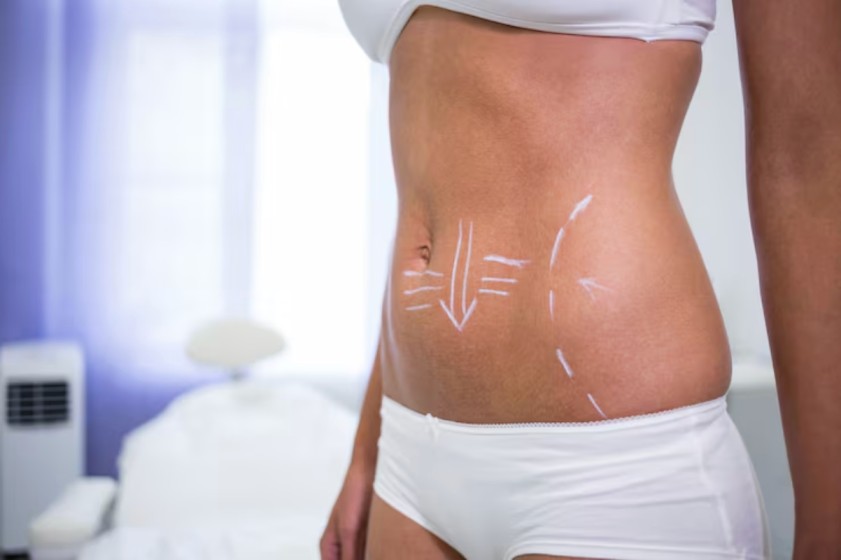
The surgeon extends the standard horizontal incision past the hip bones, wrapping slightly toward the lower back. This longer incision allows the surgeon to pull down and remove excess skin from the sides of the waist, effectively snatching the waistline. During this process, the surgeon also performs liposuction on the flanks to sculpt a more defined, hourglass or athletic shape.
Ideal Candidates for the Procedure
The best candidates for this treatment are individuals at a stable weight who struggle with circumferential tissue laxity. It is particularly popular among patients who have undergone bariatric surgery or successful lifestyle transformations. By addressing the entire midsection rather than just the front, this technique provides a comprehensive contouring effect that dramatically improves how clothes fit and enhances overall physical comfort.
The Fleur de Lis Approach for Extreme Skin Laxity
For patients who have undergone massive weight loss, skin laxity often occurs in two directions: horizontally and vertically. A standard or extended procedure only pulls skin downward, which can leave excess horizontal folds in the middle of the abdomen. To correct this specific issue, surgeons utilise a fleur de lis tummy tuck.
The Unique Incision Pattern
This technique gets its name from the lily-like shape of the surgical markings. The surgeon makes a standard horizontal incision across the lower abdomen, combined with a vertical incision running up the centre of the stomach. This dual-axis approach allows the surgeon to pull skin downward and inward simultaneously, removing a substantial amount of tissue from both the upper and lower abdomen.
Weighing the Benefits Against the Scarring
While this surgical approach delivers dramatic contouring results, it does result in a visible vertical scar. Patients must weigh this trade-off carefully. Most find that the ability to wear fitted clothing without folding or tucking excess skin far outweighs the presence of the scar. This procedure is highly effective at restoring a flat, firm torso for those who have achieved remarkable weight loss milestones but remain held back by their remaining skin.
Combining Contouring with Liposuction
Modern body contouring rarely relies on a single surgical modality. Instead, top surgeons in the UK capital frequently combine excision procedures with advanced liposuction, a technique known as lipoabdominoplasty. This combination allows for a safer, more artistic approach to reshaping the body.
The Role of Liposuction in Definition
Simply removing skin can sometimes leave the abdomen looking flat but blocky. By incorporating liposuction, the surgeon can sculpt the abdominal walls, highlighting the natural vertical lines of the abdominal muscles. This creates a three-dimensional contour rather than a flat, two-dimensional appearance.
Safety and Blood Flow Conservation
Using liposuction alongside an extended tummy tuck in London requires specialised training. Modern techniques preserve the blood vessels and lymphatic channels in the abdominal wall, a method known as vascular preservation. This significantly reduces the risk of seroma (fluid accumulation) and ensures the remaining skin receives an adequate blood supply during recovery. Whether a patient undergoes this combined approach or a fleur de lis tummy tuck, the integration of liposuction ensures that the final result looks balanced, proportioned, and harmonised with the rest of the patient’s natural frame.
Preparing for Your Contouring Journey
Undergoing a major body reshaping procedure requires careful preparation to ensure safety and optimal results. The journey begins with a comprehensive consultation with a board-certified plastic surgeon who specialises in post-weight loss reconstruction.
Choosing the Right Surgeon
When seeking these advanced procedures, patients should look for surgeons who hold memberships in professional bodies such as the British Association of Aesthetic Plastic Surgeons (BAAPS) or the British Association of Plastic, Reconstructive and Aesthetic Surgeons (BAPRAS). These credentials guarantee that the surgeon has undergone rigorous training and adheres to the highest safety standards.
Pre-Operative Guidelines and Recovery Setup
To prepare physically, patients must maintain a stable weight for at least three to six months before surgery. Smoking must be stopped completely several weeks prior, as nicotine severely compromises blood flow and impairs wound healing. Patients should also arrange a dedicated support system for their recovery period, which typically lasts between four to six weeks. Wearing a medical-grade compression garment post-surgery is vital to control swelling and support the newly contoured tissues. Preparing a comfortable recovery space and arranging for assistance with daily tasks will allow the body to focus entirely on healing.
Conclusion
Modern body contouring procedures offer transformative solutions for individuals wishing to reclaim their bodies after weight loss or pregnancy. Whether opting for an extended tummy tuck in London to address circumferential skin laxity or a fleur de lis tummy tuck to resolve multi-directional sagging, these advanced surgical options provide highly tailored outcomes. By choosing a qualified, board-certified plastic surgeon and preparing thoroughly for the recovery process, patients can safely achieve a firmer, more comfortable, and more confident physical form. Ultimately, these procedures go beyond aesthetics, helping individuals complete their personal transformations and enjoy a more active, unhindered lifestyle.