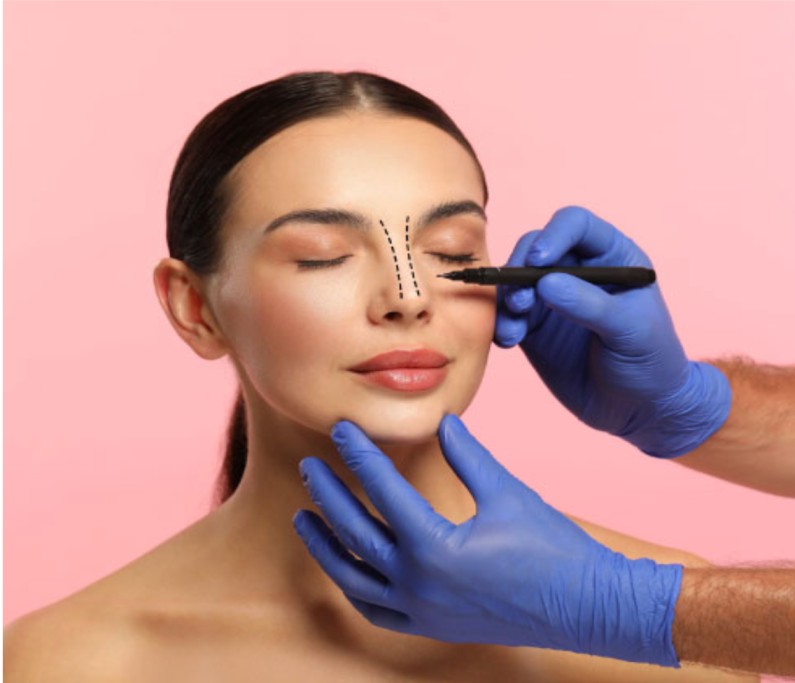
The decision to undergo medical treatment often comes with many questions about safety, recovery, and efficacy. Fortunately, modern medicine has transformed the way we approach these treatments. Today, advanced surgical procedures offer patients safer alternatives, quicker recovery times, and highly predictable outcomes compared to techniques used just a few decades ago. From minimally invasive techniques to refined aesthetic treatments, the medical field now prioritises patient comfort alongside clinical success. Understanding these advancements helps individuals make informed choices about their health and self-care journeys. Whether addressing a functional medical issue or seeking a subtle cosmetic enhancement, the options available today represent a significant leap forward in healthcare technology and patient satisfaction.
The Evolution of Minimally Invasive Techniques
Historically, undergoing an operation meant preparing for large incisions, significant blood loss, and weeks of hospital bed rest. Modern surgical innovations have shifted this paradigm entirely. Surgeons now utilise keyhole surgery, robotic assistance, and advanced imaging to perform complex operations through tiny incisions. This shift reduces physical trauma to the body, which directly translates to less postoperative pain and a lower risk of infection.
Reduced Downtime and Scarring
For patients, the practical benefits of these refined surgical procedures are immense. Smaller incisions mean minimal scarring, which is particularly beneficial for both abdominal surgeries and delicate facial treatments. Furthermore, patients frequently return home the same day, avoiding lengthy and expensive hospital stays. This rapid return to daily life minimises disruption to work and family commitments. The precision of modern tools also means that surrounding healthy tissue remains untouched, leading to faster natural healing. Ultimately, these technological improvements have demystified the surgical experience, making necessary medical interventions far less daunting for the average patient.
Additionally, the integration of high-definition cameras allows surgeons to view the internal anatomy with unprecedented clarity. This level of detail ensures that every movement is highly precise, reducing the likelihood of complications. Consequently, procedures that once required months of rehabilitation now demand only a fraction of that time, proving that modern medicine successfully balances clinical efficacy with patient comfort.
Precision and Customisation in Aesthetic Medicine
The benefits of modern medical advancements extend far beyond essential healthcare into the realm of aesthetic medicine. Today, cosmetic treatments focus on natural-looking results rather than the overly tight, artificial appearances of the past. Surgeons achieve this by customising every treatment plan to match the unique anatomical structure of the patient.
Targeted Facial Rejuvenation
A prime example of this tailored approach is the popularity of the mini facelift in London, where patients seek subtle yet effective rejuvenation. Unlike traditional full facelifts, this targeted option addresses early signs of ageing around the lower face and jawline using smaller incisions and local anaesthetic. This specialised treatment appeals to busy professionals who want to refresh their appearance without taking extensive time off work. By targeting specific tissue layers, the procedure lifts sagging skin and restores youthful contours without changing the fundamental character of the patient’s face.
The growing demand for a mini facelift in London highlights a broader trend: patients now expect highly specific, low-risk cosmetic solutions that deliver predictable, elegant outcomes. This level of customisation ensures that individuals feel more confident in their own skin while maintaining their natural expressions.
Enhanced Safety Standards and Predictable Outcomes
Patient safety remains the absolute cornerstone of any medical intervention. Modern clinical environments employ rigorous safety protocols, advanced sterilisation techniques, and sophisticated monitoring equipment to protect patients at every stage of their treatment. Before a patient even enters the operating theatre, digital mapping and 3D imaging software allow medical teams to plan the entire process with meticulous detail.
Pre-Operative Planning and Virtual Simulations
These digital tools allow surgeons to simulate the entire process beforehand, anticipating potential challenges and planning the exact placement of incisions. This level of preparation drastically reduces the time a patient spends under anaesthesia, which is one of the primary risk factors in any major operation. Furthermore, real-time monitoring systems track vital signs with extreme accuracy, allowing the surgical team to respond instantly to the slightest physiological changes.
Because of these advanced safety measures, modern surgical procedures carry a much lower risk profile than their historical counterparts. Patients can approach their treatment journeys with peace of mind, knowing that clinical decisions are backed by robust data, state-of-the-art technology, and highly refined safety standards.
The Psychological and Quality of Life Benefits
While the physical advantages of modern medical treatments are obvious, the psychological benefits are equally profound. Living with chronic pain, limited mobility, or low self-esteem due to physical insecurities can take a severe toll on a person’s mental well-being. By resolving these physical issues, modern treatments help patients reclaim their independence and improve their overall quality of life.
Restoring Confidence and Vitality
For instance, reconstructive surgeries restore functionality after injuries, while aesthetic treatments help align a person’s outward appearance with their inner vitality. When a patient undergoes a successful mini facelift in London, the boost in self-confidence often extends to their professional and social lives. They feel more energised, engaged, and willing to participate in activities they might have previously avoided. Similarly, joint replacements or corrective surgeries allow individuals to return to active lifestyles, reducing the risk of sedentary-related health issues. By addressing both physical limitations and aesthetic concerns, modern medical interventions offer a holistic path to wellness. The positive ripple effect of a successful treatment can be felt across all areas of a patient’s life, proving that physical health and mental happiness are deeply interconnected.
Conclusion
The landscape of modern medicine has shifted dramatically, offering patients safer, more efficient, and highly customised treatment options. From advanced clinical techniques that minimise downtime to refined cosmetic treatments that enhance natural beauty, the focus remains firmly on patient well-being and safety. Choosing to undergo any medical or aesthetic treatment is a deeply personal decision, but the precision of modern techniques provides reassurance and predictable results. By working closely with qualified medical professionals, patients can confidently pursue solutions that improve their health, restore their vitality, and enhance their overall quality of life. The future of healthcare continues to look bright as technology elevates the standard of patient care.